Linguine. nero di seppia

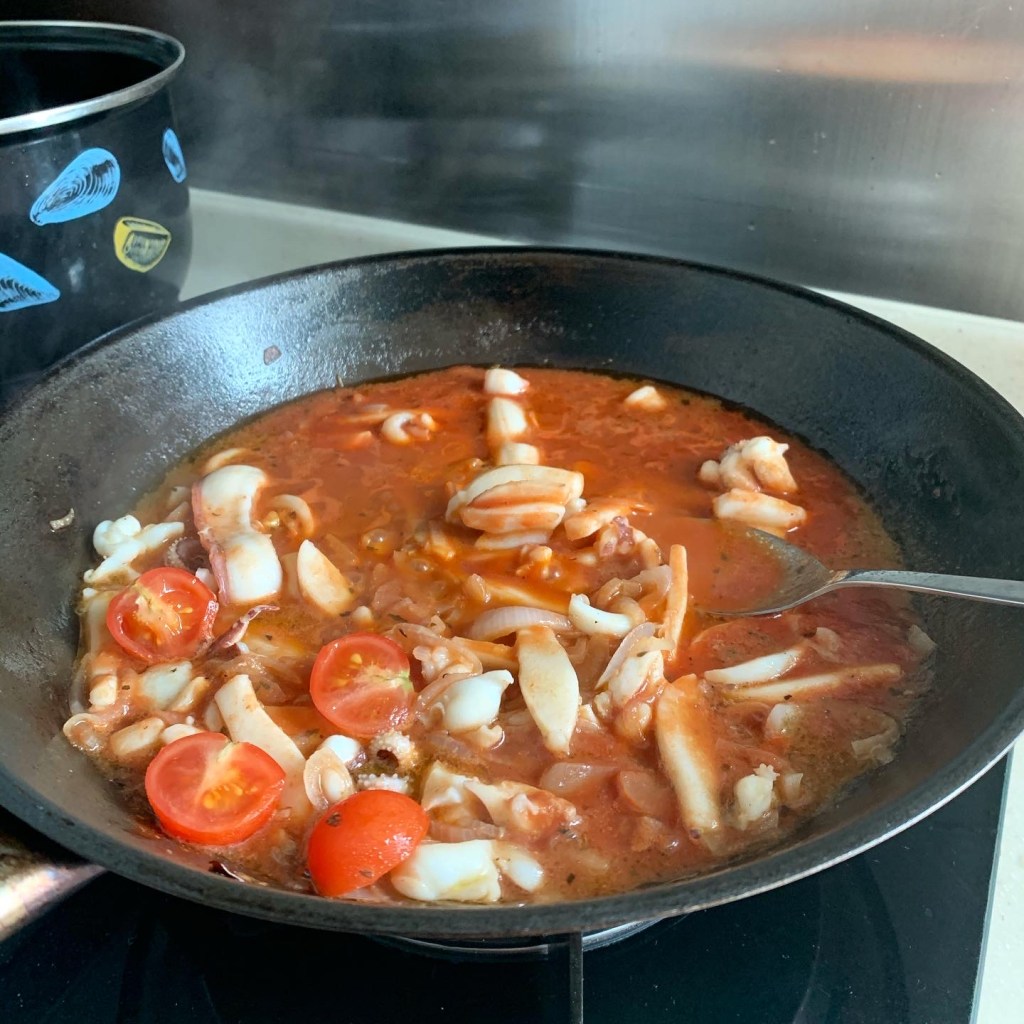
Went to the market today and saw there were a lot of cuttlefish! Must be harvest season. Unfortunately most were alout of our price range (the ones we saw were huge; probably for 6-8 people). Instead we found this small one that has passed already, decent size for 2 people (even 3!). Sadly, it was cut open already and ink sac was harvested. As a result, it went for HKD30 only, which is probably half its usual price. Good thing we had backup ink at home (the store-bought kind). This way of cooking this dish is from the South, where plenty of tomato is added, rather than just the ink. The result is less “pitch black”, but more tasty in our opinion.

Serves 2

Time: 🕰🕰
Effort: 💪💪

Ingredients:

160g pasta
1 small cuttlefish
1 ink sac (either together with the cuttlefish, or separately bought)
2 small shallots
1/2 garlic clove
Olive oil
Salt and pepper
2 cherry tomatoes
1 bay leaf
100g tomato passata
1 teaspoon tomato concentrate
1/2 glass white wine
Bunch of parsley

Method:

1. Peel and slice shallots
2. Peel garlic but do not slice
3. Combine shallots and garlic in pan with plenty of olive oil, and infuse on low heat while you clean the cuttlefish
4. Give the cuttlefish a good rinse
5. Feel the side the bone is in, and break the skin covering the bone, then remove the bone
6. Detach the body from the innards
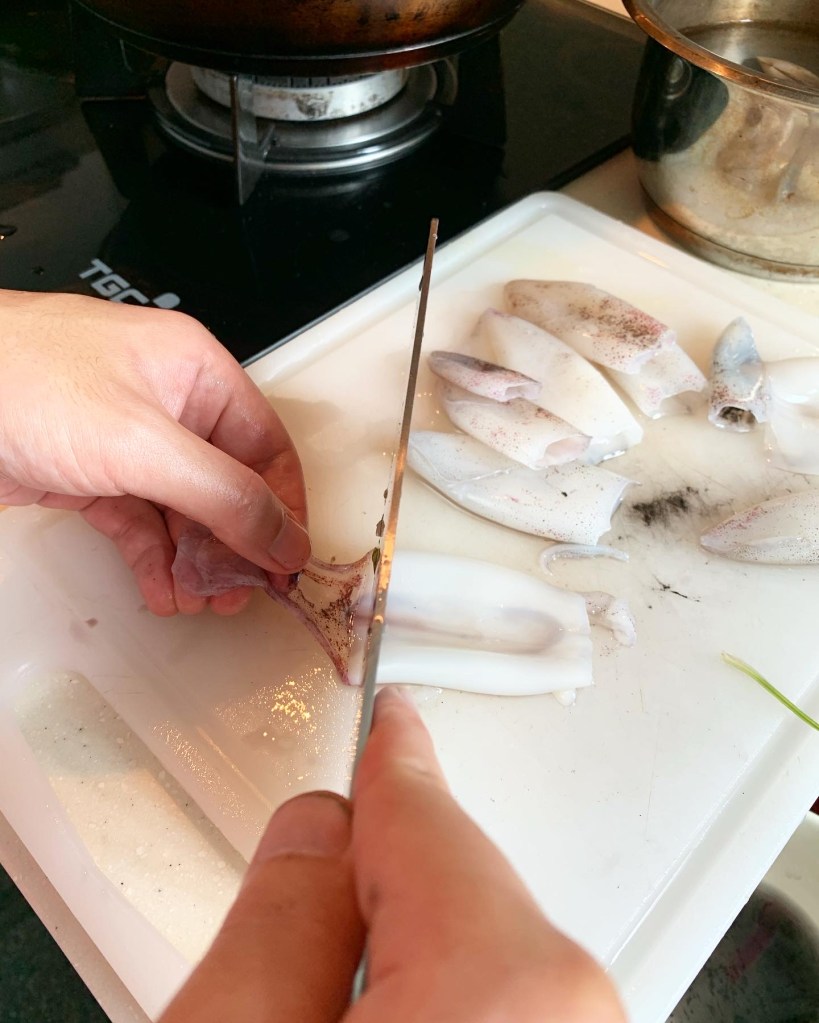
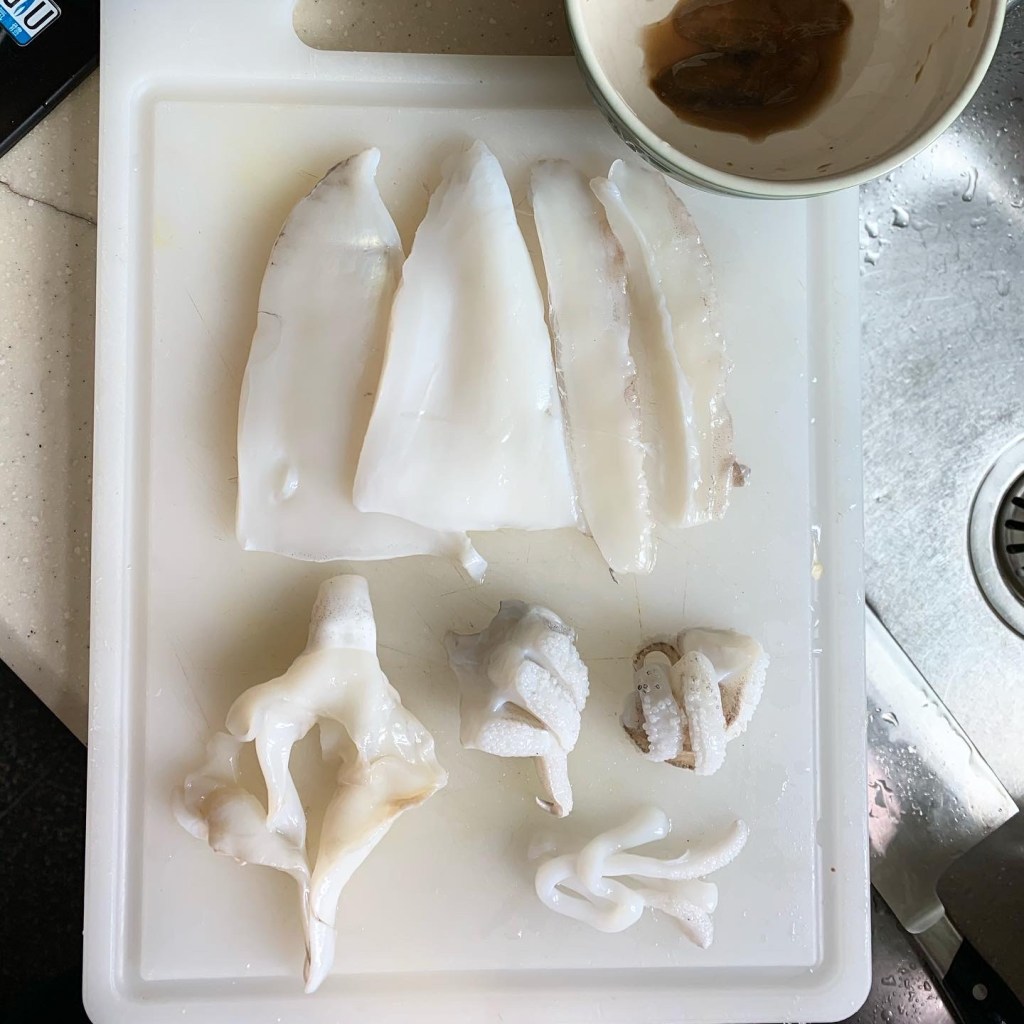
7. Tear off skin to reveal the two halves of the body
8. Tear off the fins, de-skin
9. Extract the ink sac (if still attached); set aside in a bowl
10. Extract the yellow innards and set aside in another bowl
11. Separate and reserve the remaining meat surrounding the roe
12. Separate off tentacles (short + long)
13. Trim the middle section with eyes and beak intact
14. If feeling extra-brave, cut open the eye membrane and pop out the eye, as well push out the beak, so that the meat around the eyes can also be used; otherwise, just discard this whole middle section
15. Scrape away any skin that remains on the body or fins
16. You should be left with the piece as pictured
17. Slice into small pieces and add to the pan
18. Turn up the heat and roast the cuttlefish meat with a bit of extra salt
19. Remove garlic if starting to burn; otherwise, leave in
20. Deglaze bottom of pan with white wine
21. Mix the ink, the tomato passata, tomato concentrate, and some water together with the roe, and add to the pan
22. Add bay leaf, parsley stalks (chopped) and cherry tomatoes (halved) and simmer for 20 mins to soften the cuttlefish and thicken the sauce
23. Meanwhile, boil pasta in salted water
24. Once almost al dente, but still a touch raw in the centre, add pasta to the pan
25. Add several ladles of pasta water, and cook on medium-high heat for 5-10 minutes until liquids are absorbed and pasta is well coated with ink
26. Garnish with chopped parsley leaves and serve
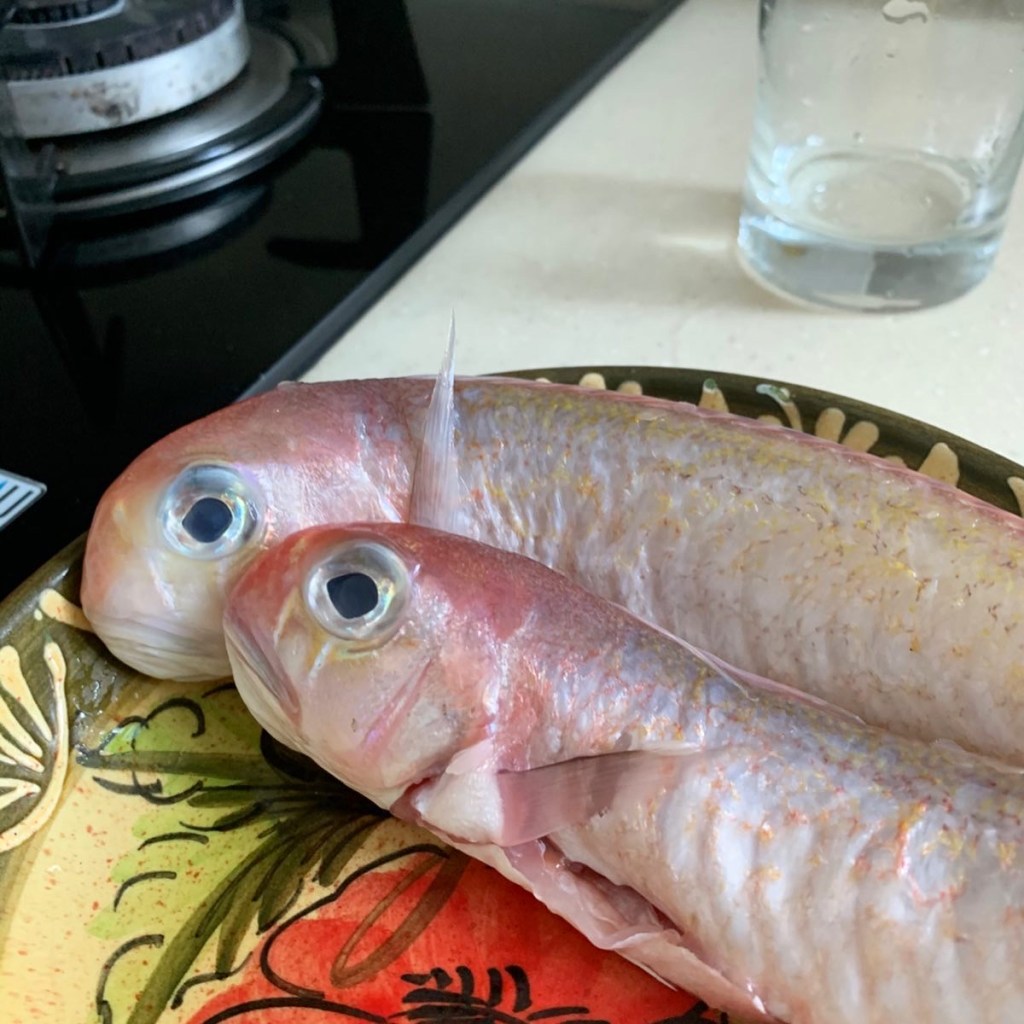
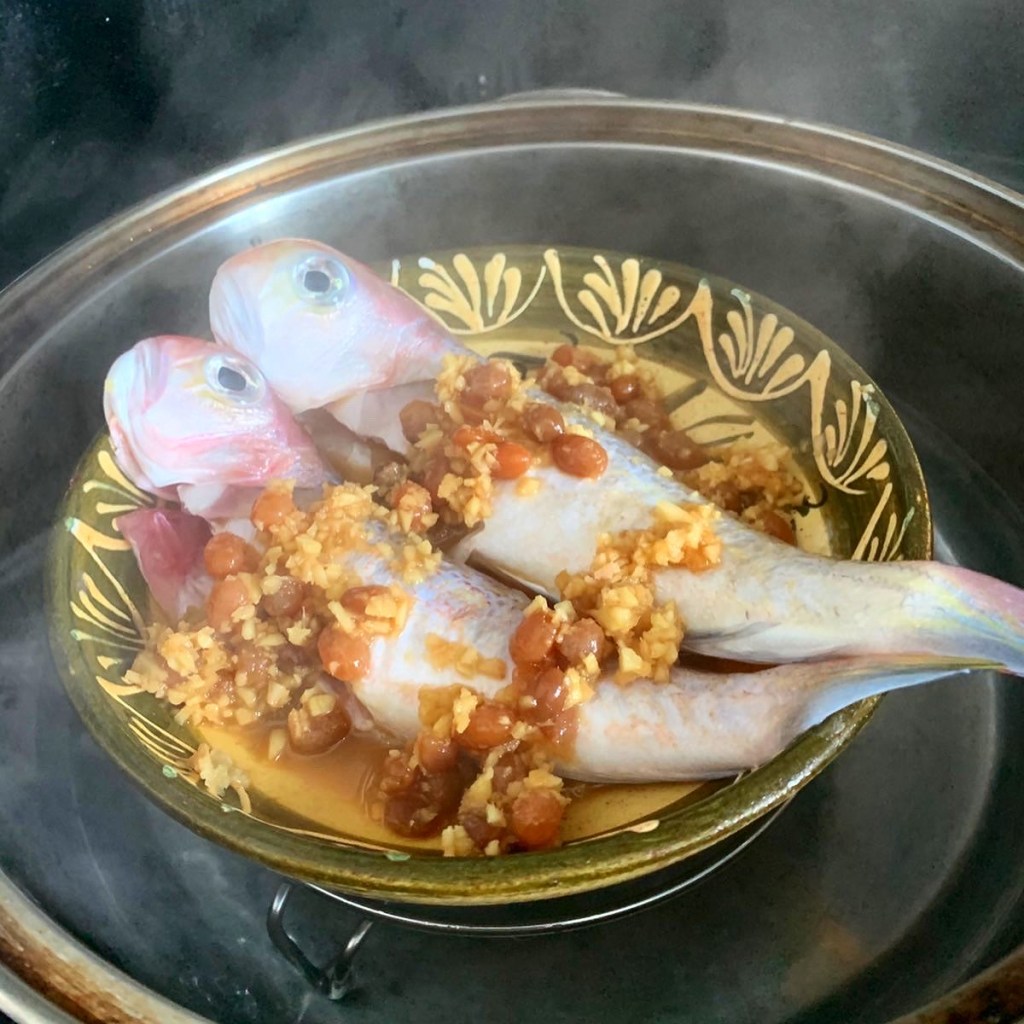
Horsehead with Fermented Soy Beans (麵醬蒸青根魚)

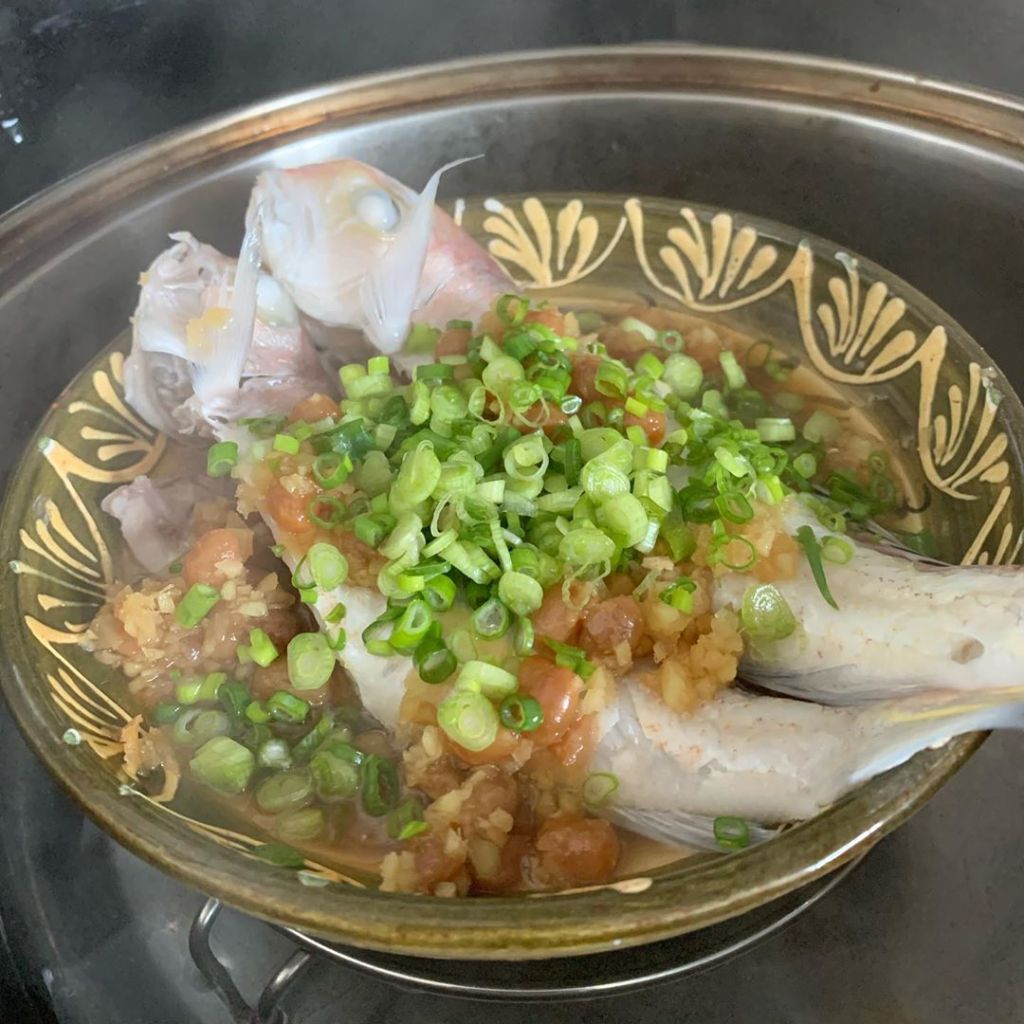
This is a delicate fish, steam no more than 3 minutes, otherwise the flesh will turn to mush. Also great for pan-frying.

Serves 2

Time: 🕰
Effort: 💪

Ingredients:

2 horsehead (青根) or white horsehead (馬頭)
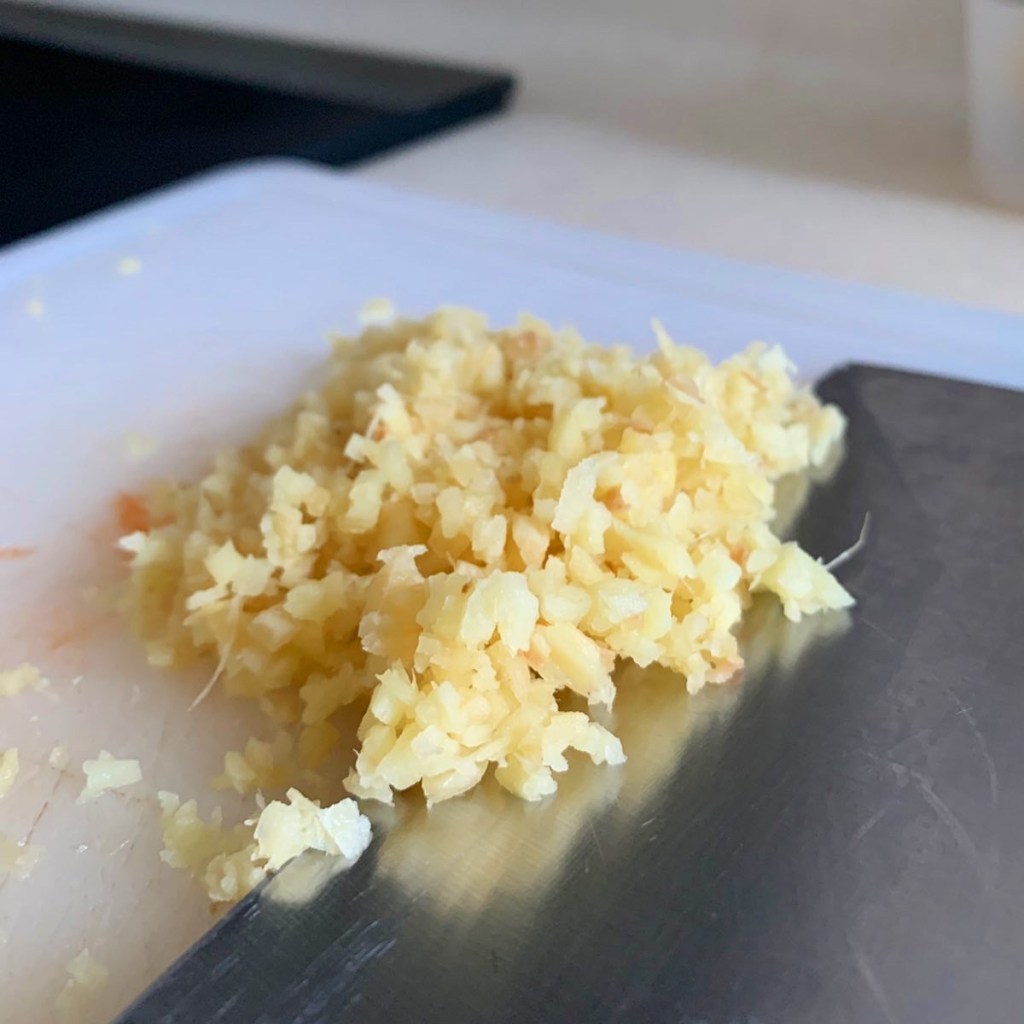
2 tablespoon minced ginger
1 tablespoon salted yellow soy beans (粒豉)
1 tablespoon soy sauce
1/2 tablespoon water
1 teaspoon corn starch
1 teaspoon sugar
Garnish: hot oil, spring onion

Method:

1. Wash fish and pat dry
2. Mix everything else to form paste
3. Arrange fish onto plate
4. Spoon over paste
5. Steam for 3 minutes on medium-high flame
6. Turn off flame
7. Add chopped spring onions, cover lid for 1 minute
8. Pour over hot oil and serve
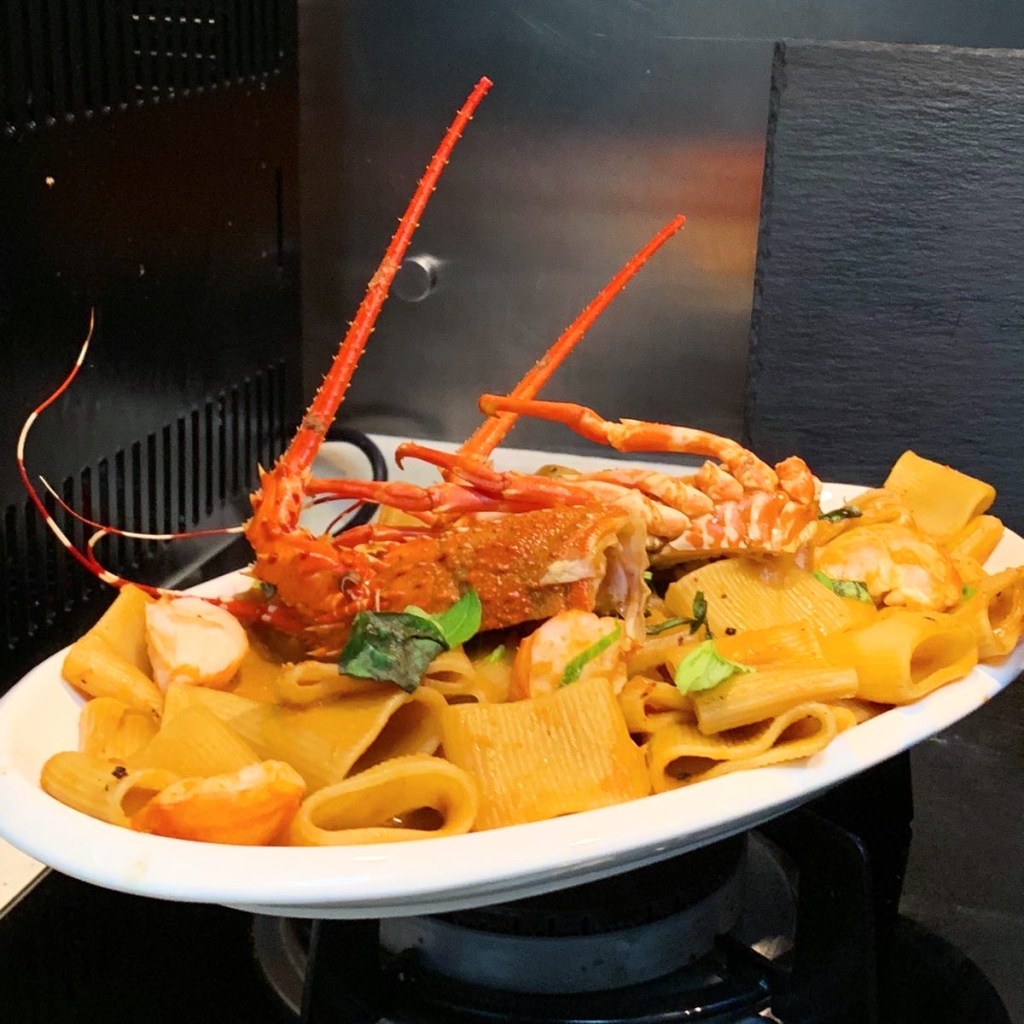
Paccheri with Lobster and Lobster Paste

Serves 3

Time: 🕰🕰
Effort: 💪💪

Ingredients:

240g paccheri rigati from @mercatogourmet_hk, or other good pasta (fettuccine are great)
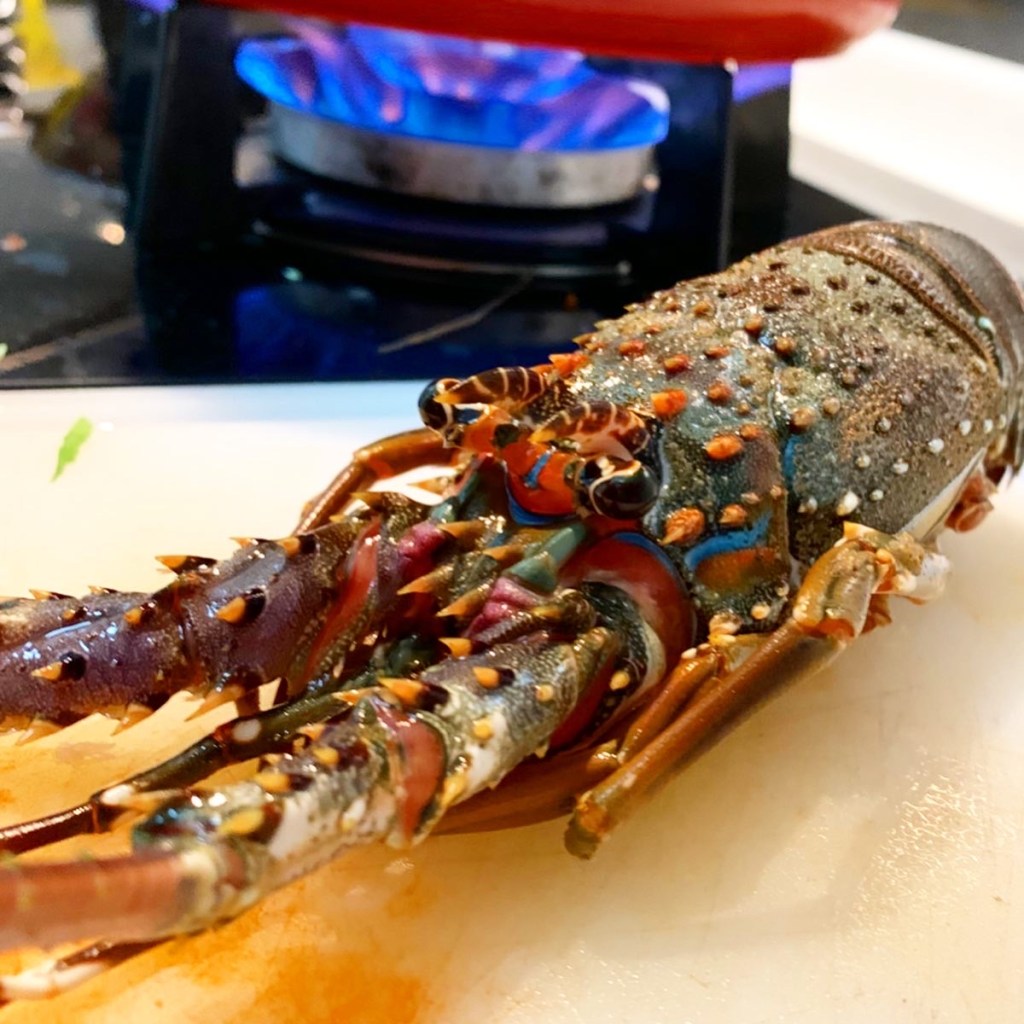
1 local lobster (本地龍蝦, usually Panulirus homarus)
1/2 onion
20g unsalted butter
1 tablespoon sugar
1 box lobster paste
2 shots vodka
1/2 can pelati
Olive oil
Parsley

TIP

Lobster paste can be bought in frozen food shops and is a great way to flavour your dishes. It is made of roe, viscera, and head meat — by-products from suppliers who sell only the tails to consumers. Around HKD20 a box only.

Method:

1. Defrost lobster tails
2. Boil1. Place lobster in freezer at least 45 minutes in advance so that it can be killed humanely
2. Finely chop onion
3. Place butter, sugar and onion into a large pan and maintain on medium-low heat while you focus on other tasks
4. Bring large pot of salted water to the boil (it should have the saltiness of a salty soup)
5. Remove lobster from freezer and boil for 7 minutes for a large lobster, 5 minutes for a small one
6. Remove lobster and plunge into ice cold water to stop the cooking
7. Lower the saltiness of the lobster water by adding more water; bring to boil
8. Put in your pasta of choice
9. The onions should have softened by now
10. Add lobster paste to the onions and increase flame to medium
11. Once pan is dried up, deglaze with vodka
12. Add canned tomatoes and 3 ladles of pasta cooking water; maintain the simmer
13. Once the pasta is almost cooked but still a bit raw in the centre, transfer to the lobster sauce, along with more pasta water, until pasta is half submerged in liquid
14. Pull tail from lobster and de-shell
15. Divide tail into 6 pieces – 2 per person
16. Split head down the middle and remove stomach (near the eyes) but retain the roe
17. Add lobster to the pan
18: Cover with lid and cook for a further 3 minutes on medium-high heat, stirring several times, so that lobster meat is brought back to temperature, and the pasta has absorbed most of the cooking water
18. Plate the pasta, the tail meat, and the heads
17. Drizzle with olive oil and lemon juice
18. Garnish with finely chopped parsley (preferred) or shredded basil

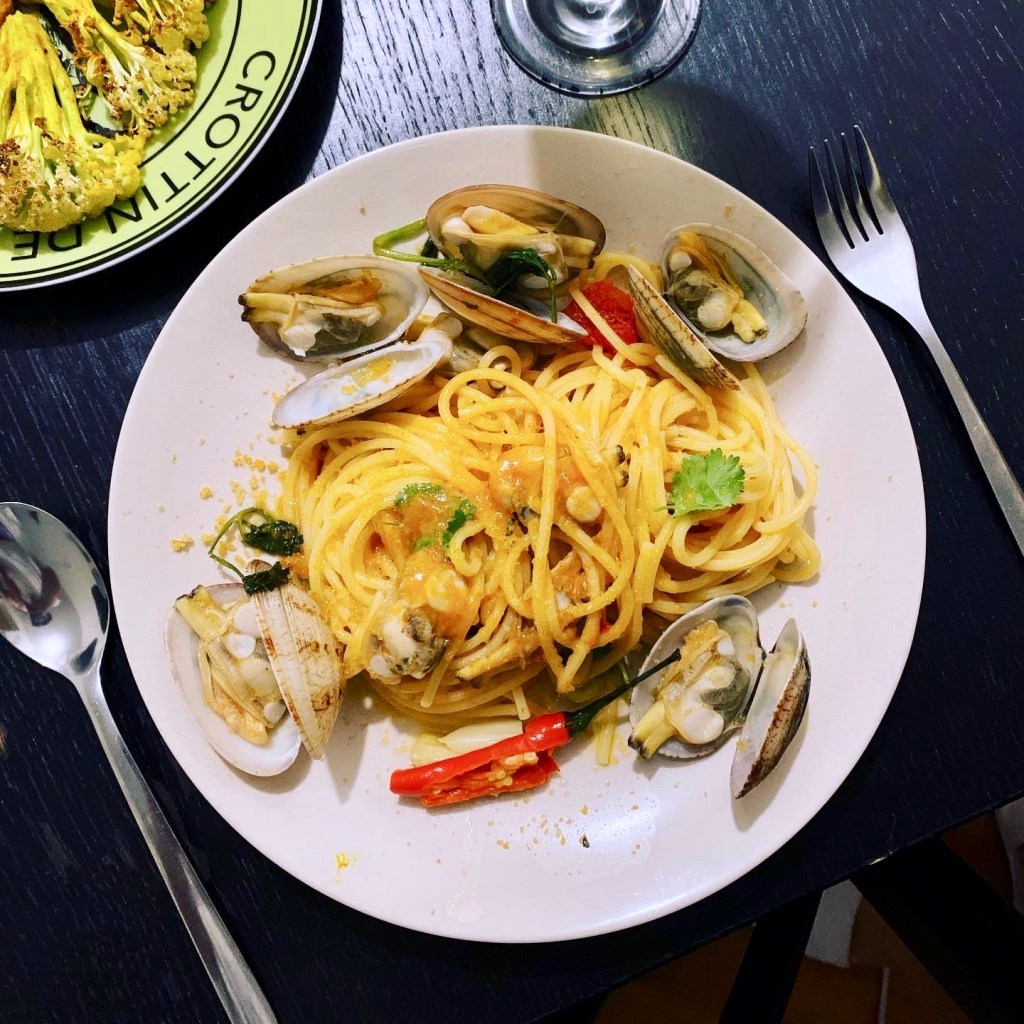
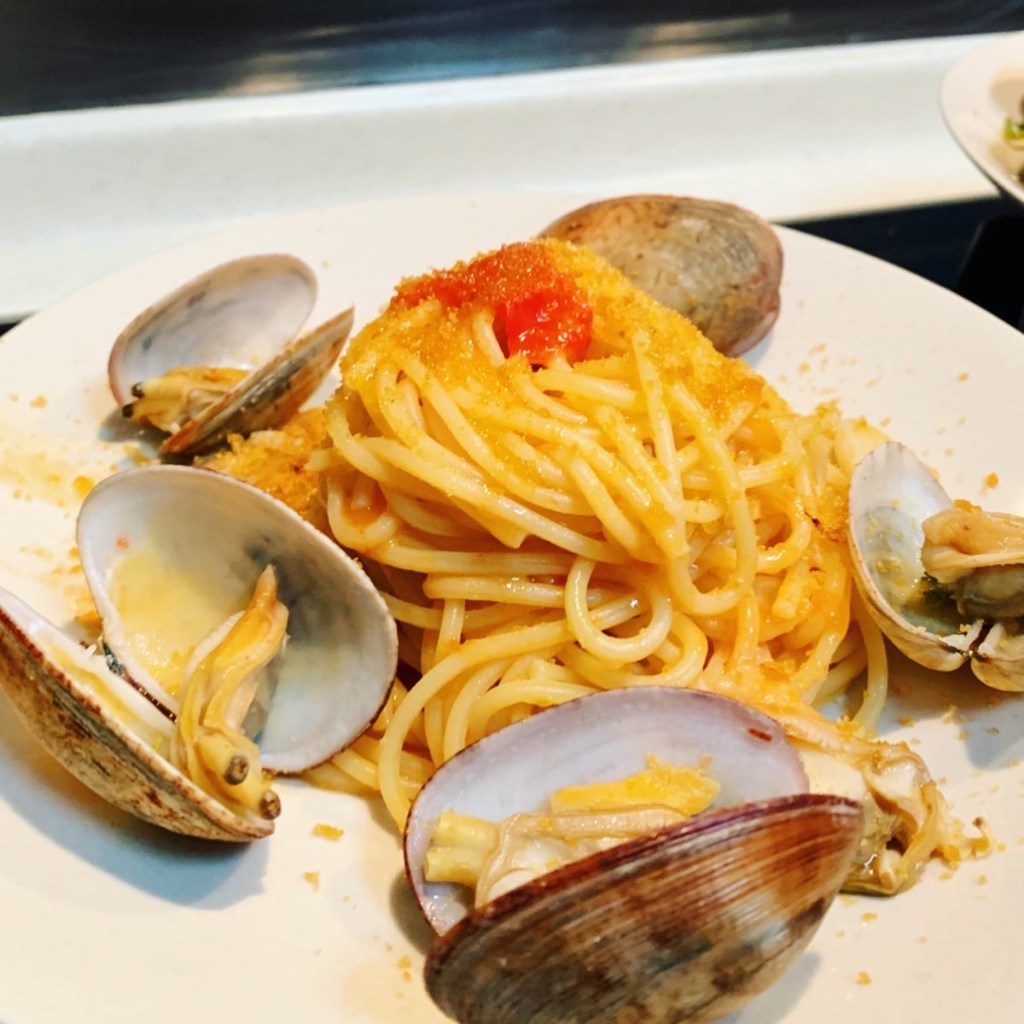
spaghetti with clams and chinese bottarga

Dried fish roe (烏魚子,or 魚春乾) is the star of any seafood market in Hong Kong. Add them to Cantonese stir-fry, or barbecue. Here, it works as a direct substitute of dried mullet roe (bottarga) used in Italy. It costs around HKD95 for a year’s worth of supply. Take out a piece at a time and freeze the rest.

Serves 2

Time: 🕰🕰
Effort: 💪💪

Ingredients:

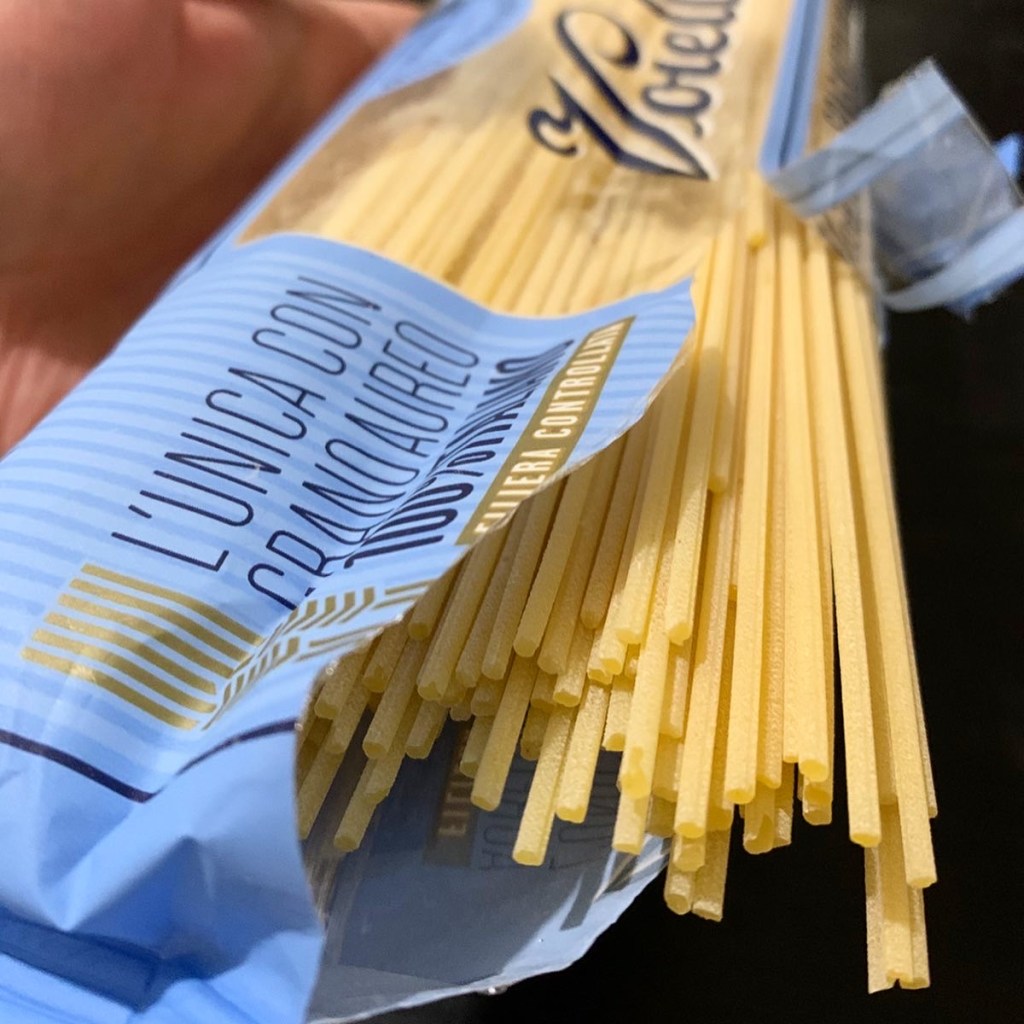
250g high-quality spaghetti
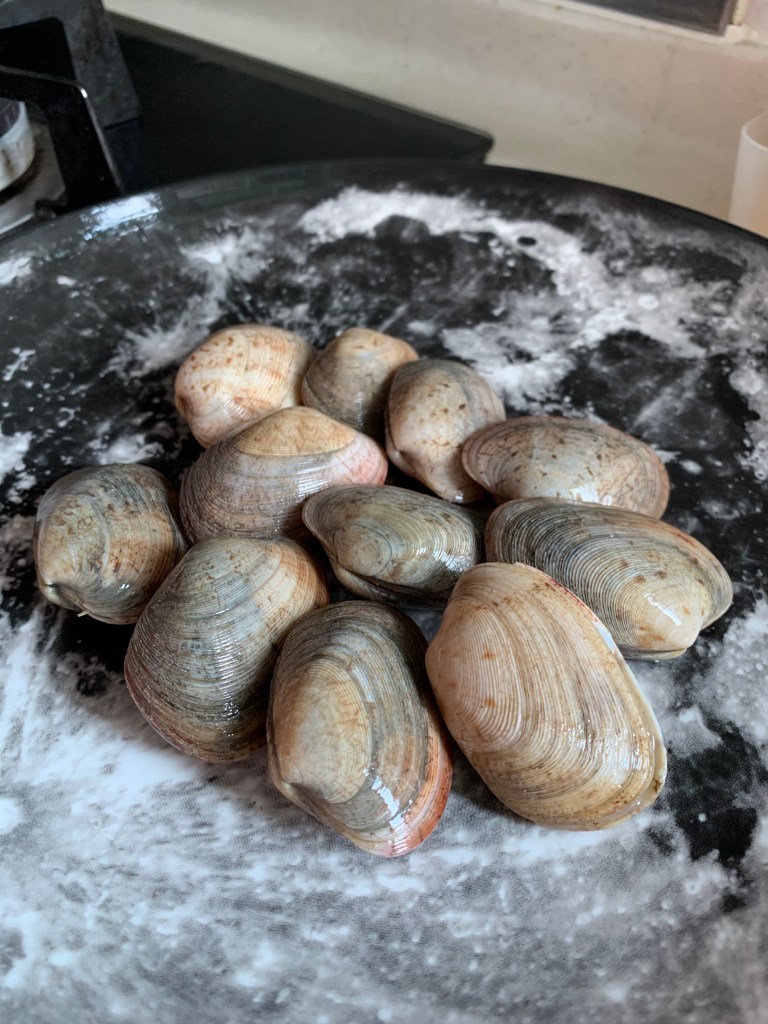
1 catty (around 600g) fresh clams
1/3 piece dried yellow croaker roe (黃花魚春乾, see note)
2 garlic cloves
Fish stock
Prawn stock
Dry white wine
1 chili
1/2 tomato
1 teaspoon tomato concentrate
Olive oil
Coriander

Method:

1. Wash and soak clams in cold tap water for 1 hour
2. In a medium pot, infuse one garlic clove, chili, tomato (diced) and some coriander stalks in olive oil on low heat
3. Meanwhile, bring a separate pot of water to the boil
4. Add salt to water until it has the saltiness of a light soup
5. Add pasta to the water and maintain the boil
6. In a large frying pan, add remaining garlic clove, olive oil, a ladle of fish stock, a ladle of prawn stock, and 2 ladles of pasta water (see laksa post on broths)
7. Bring liquids to an active boil until volume reduces by half
8. The chili infusion should be ready by now
9. Remove clams from water and add them to the infusion
10. Add half a glass of white wine and turn up the heat to high
11. Shake and cook clams for about 4 minutes, until clams have fully opened; discard unopened clams
12. The spaghetti should be almost done by now but still a little hard in the centre
13. Transfer spaghetti to the stock
14. Add tomato concentrate for colour, and actively stir on reasonably high heat until liquids thicken to a very creamy sauce; remove from flame
14. Deshell half the clams and mix into the pasta
15. Add a ladle of the clam cooking juice for a hint of acidity
16. Add the softened tomato pieces from the clam juice for extra texture and colour
17. Plate the pasta
18. Decorate plate with the remaining clams, shell-on
19. Generously grate bottarga over pasta
20. Spoon over any remaining pasta sauce
21. Finish with a drizzle of olive oil
22. Garnish and serve
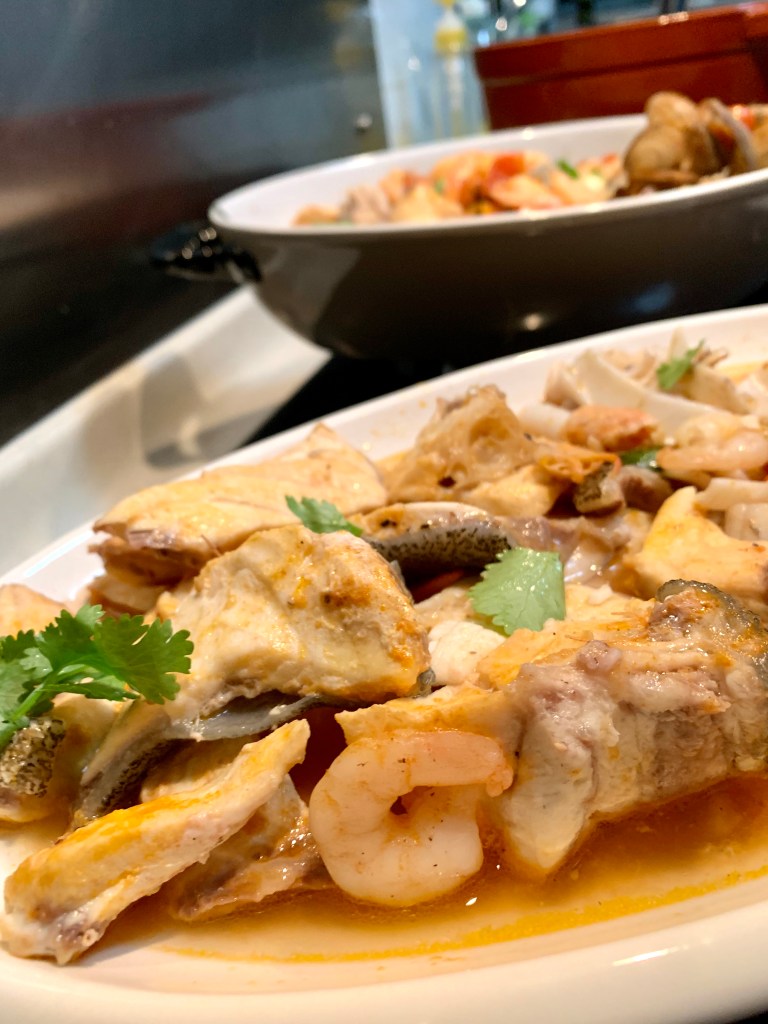
Zuppa di pesce (Italian seafood stew)

Serves 6

Time: 🕰🕰🕰
Effort: 💪💪💪

Ingredients:

1kg firm white fish
500g fish for stock
500g crustaceans
500g bivalves
300g cephalopods
2 cloves garlic
1/4 onion
2 chilis
12 cherry tomatoes (2 per person)
Vodka
Olive oil
Dry Italian white wine
Parsley or coriander
Toasted bread

Method:

1. Go to the local seafood market to see what’s good
2. You’ll need seafood In four categories: fish, bivalves, crustaceans, and cephalopods
3. For the fish, either look for firm, white fish fillets such as cobia, cod, monkfish; or small-to-medium fish to fillet at home, such as mackerel or snapper. Check local sustainable seafood guide
4. If buying filets, then you’ll also need additional fish for stock; otherwise, just use the heads and bones
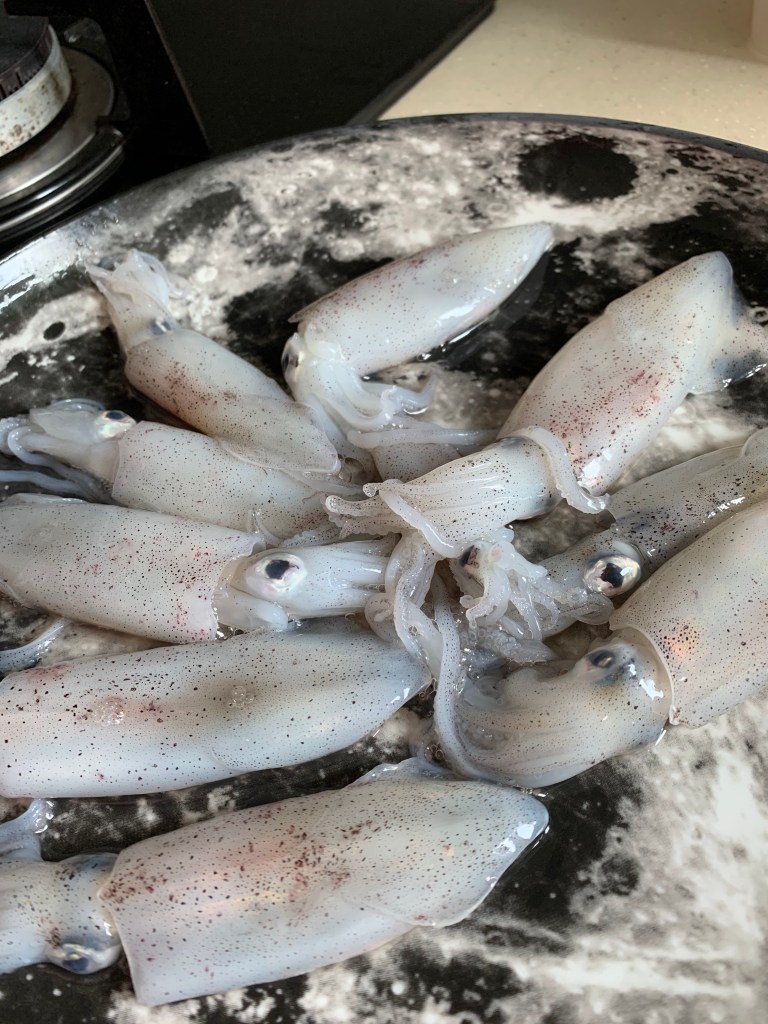
5. Debone the cuttlefish/squid; use only the tube and the tentacles; reserve the beak, roe, and ink sac for other occasions
6. Wash shells and soak in cold tap water
7. Wash and boil shrimps for 2 minutes, then soak in ice-cold water to terminate the cooking
8. Remove heads and unshell the shrimps
9. Make the fish stock by combining water, onion, parsley stems, and either the fish carcasses or small fish; simmer and strain. Here, we used skate (魔鬼魚)
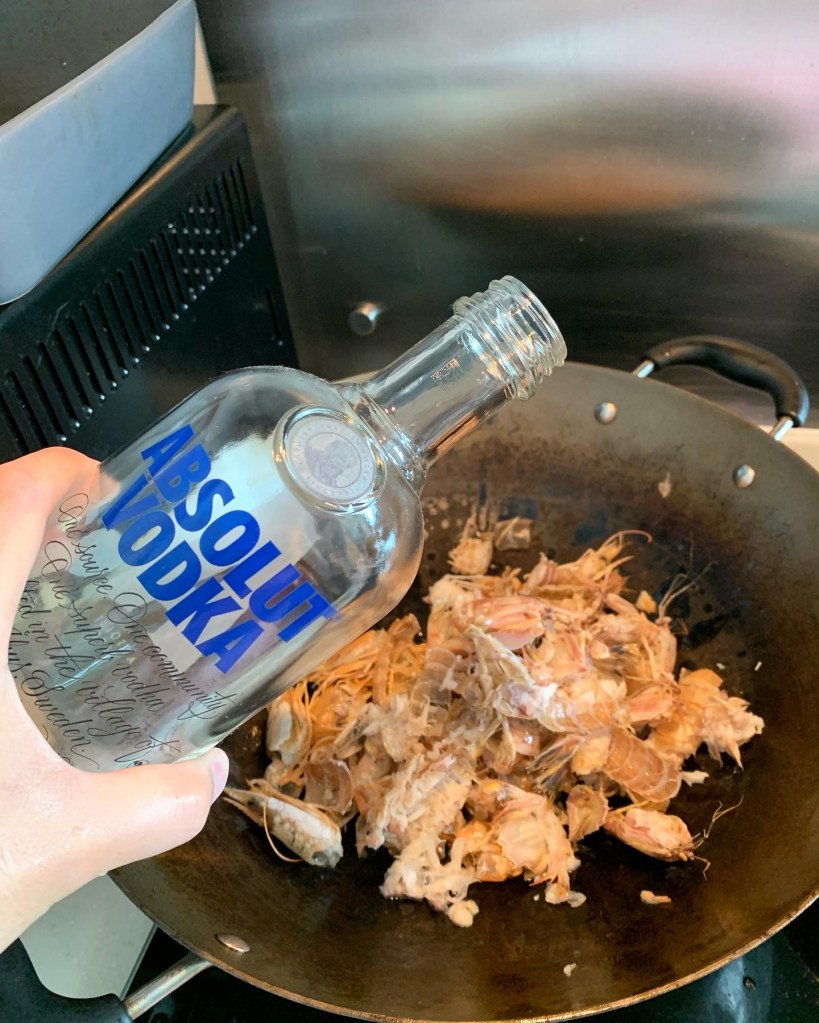
10. Make the shrimp stock by first sautéeing the shrimp heads and shells in garlic and oil, flambée with vodka, then cover with water and simmer
11. Dump shells into pot with some oil, white wine, and parsley, and cook on high heat; remove as soon as they open
12. Add olive oil, chili, and garlic to a large casserole or pan; heat on medium heat
13. Once fragrant, add white wine to deglaze
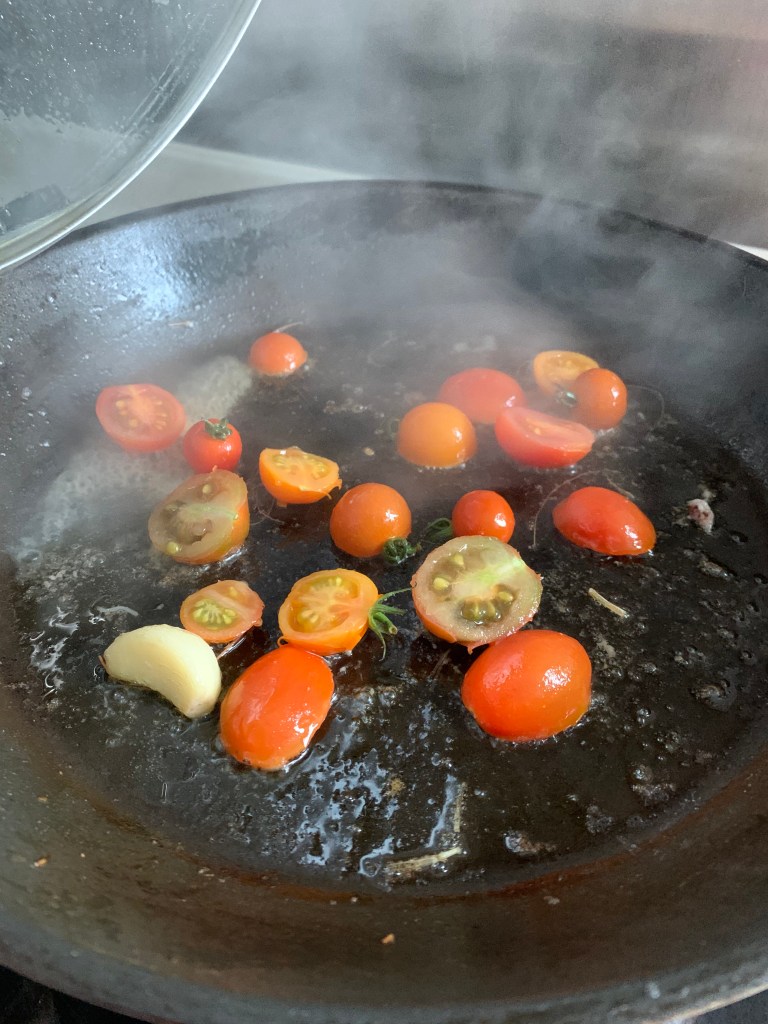
14. Add cherry tomatoes
15. Add a mug of prawn stock and a mug of fish stock
16. Simmer until concentrated and reduced by half; season
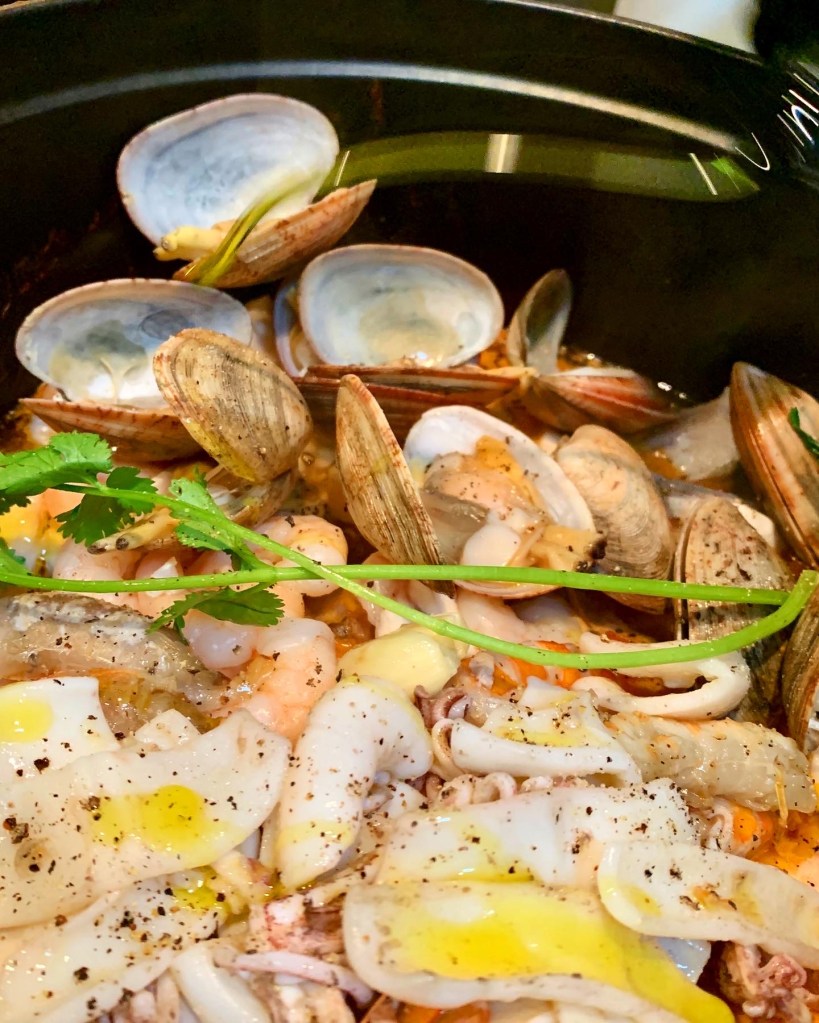
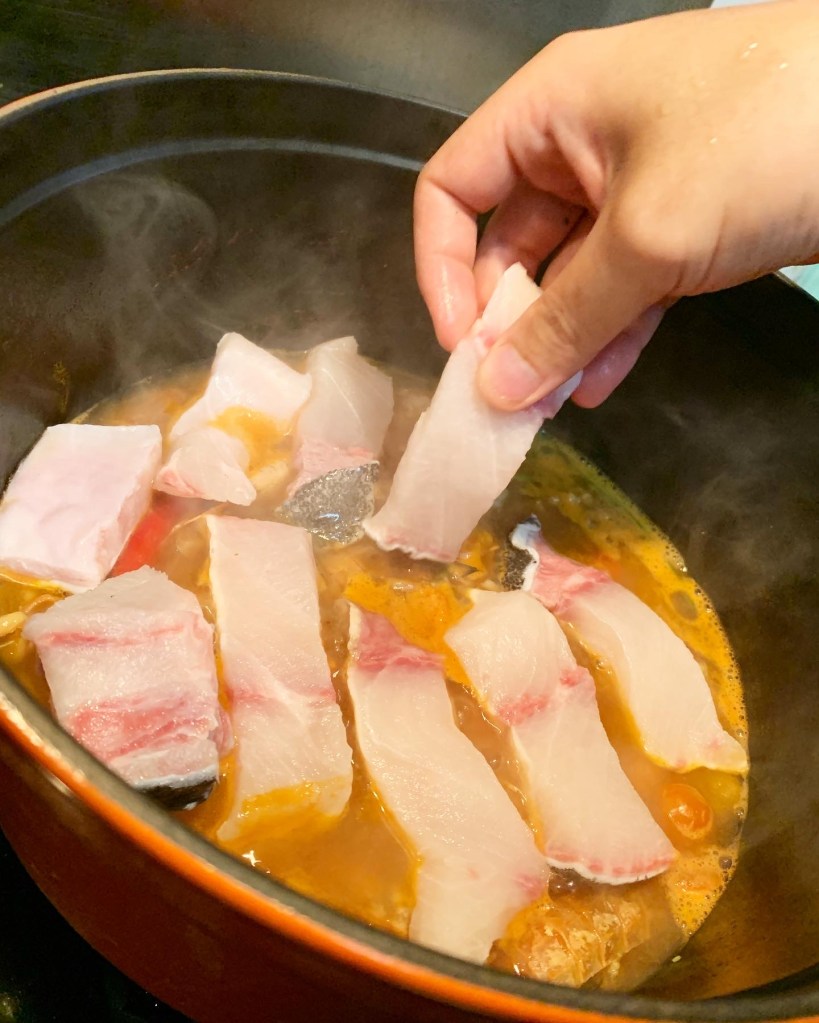
17. Add fish meat; season, cover and cook for 5 minutes
18. Add squid, season, cover and cook for another 5 minutes
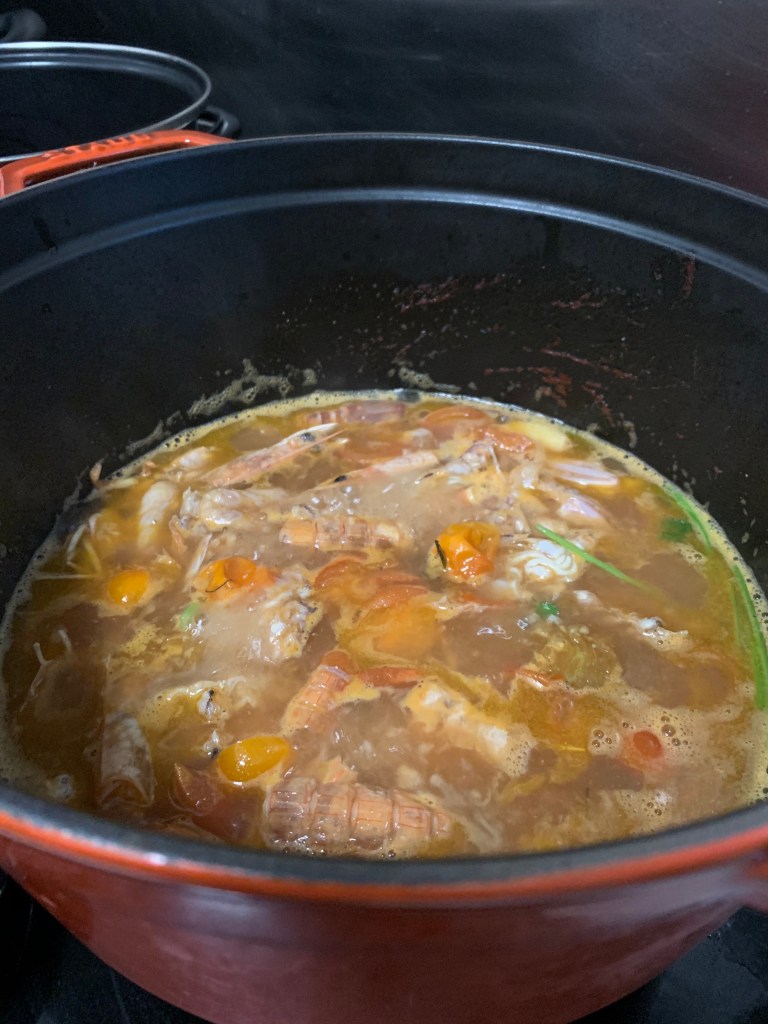
19. Add shrimps and shells, cover and cook for another 5 minutes
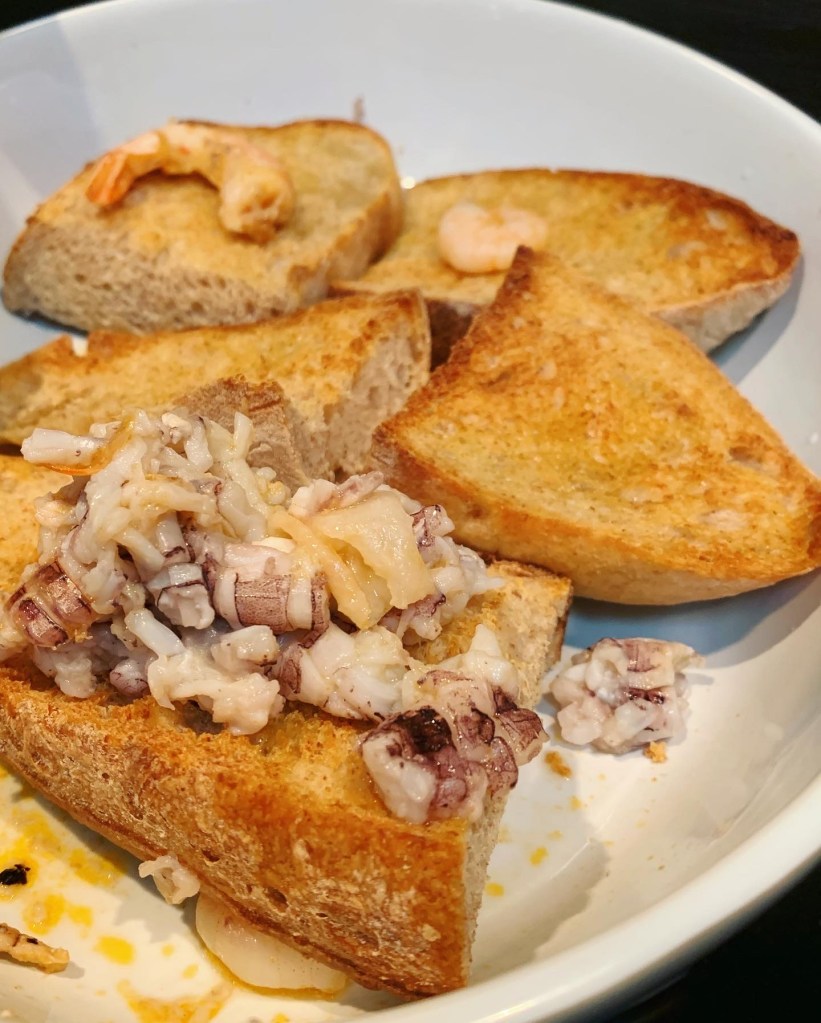
20. Layer serving dishes with toasted bread
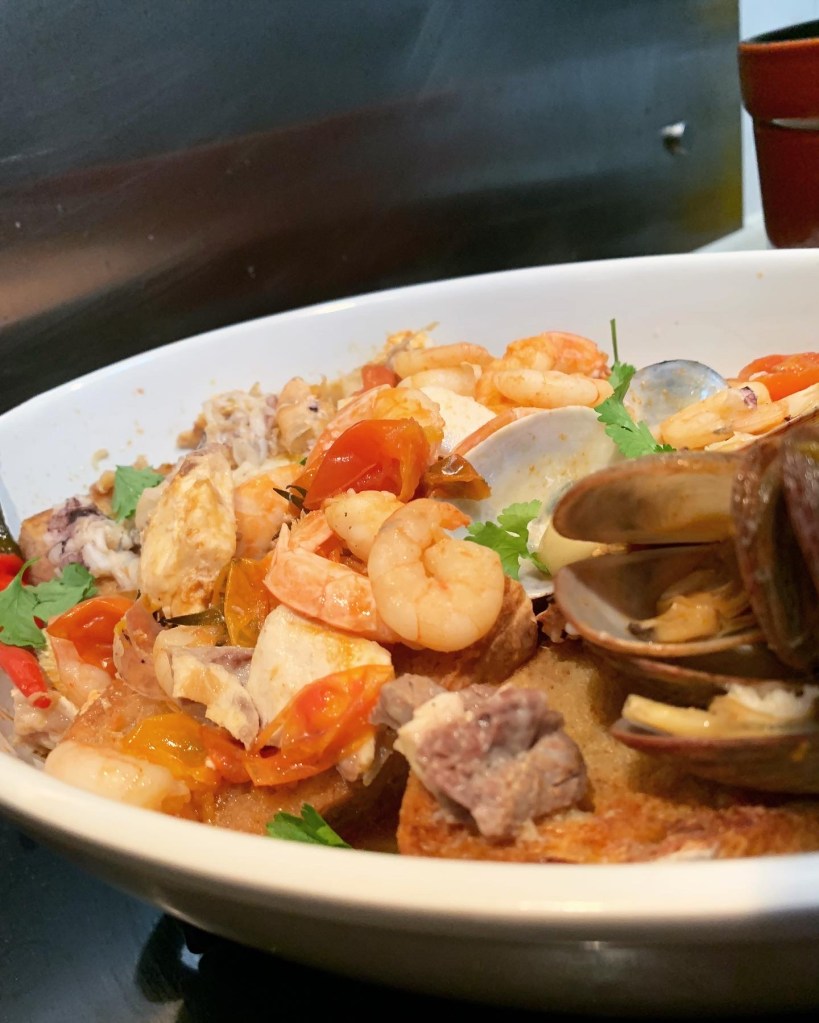
21. Arrange your seafood on top of the bread
22. Pour cooking juices over the seafood
23. Drizzle with olive oil; garnish with parsley

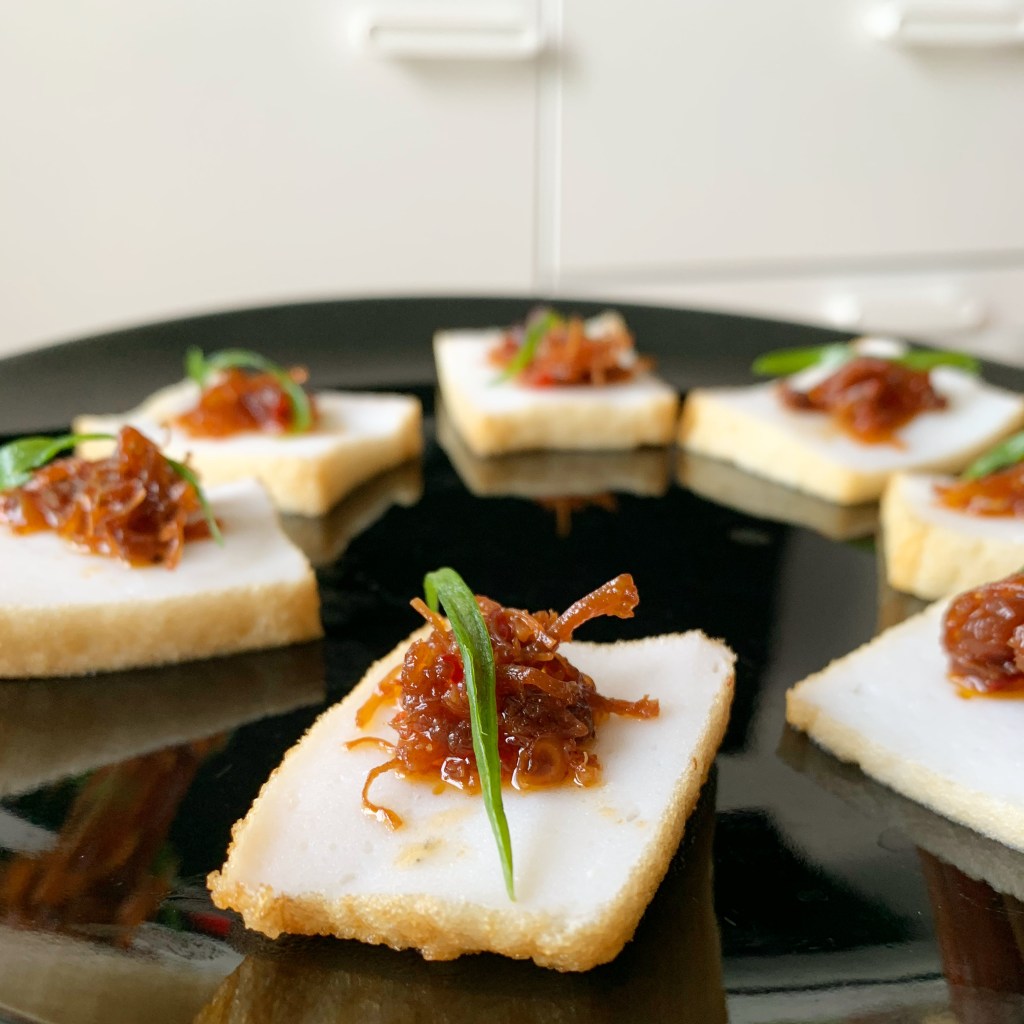
XO Fishcake

Serves 2

Time: 🕰
Effort: 💪

Ingredients:

魚片 made in local store, such as 波記 in Ap Lei Chau
XO Sauce
Anything green

Method:

1. Slice fishcake into desired thickness
2. Microwave at 800W for 20 seconds
3. Spoon XO sauce over, but w/o the oil because the fishcake is already quite oily
4. Garnish and serve